
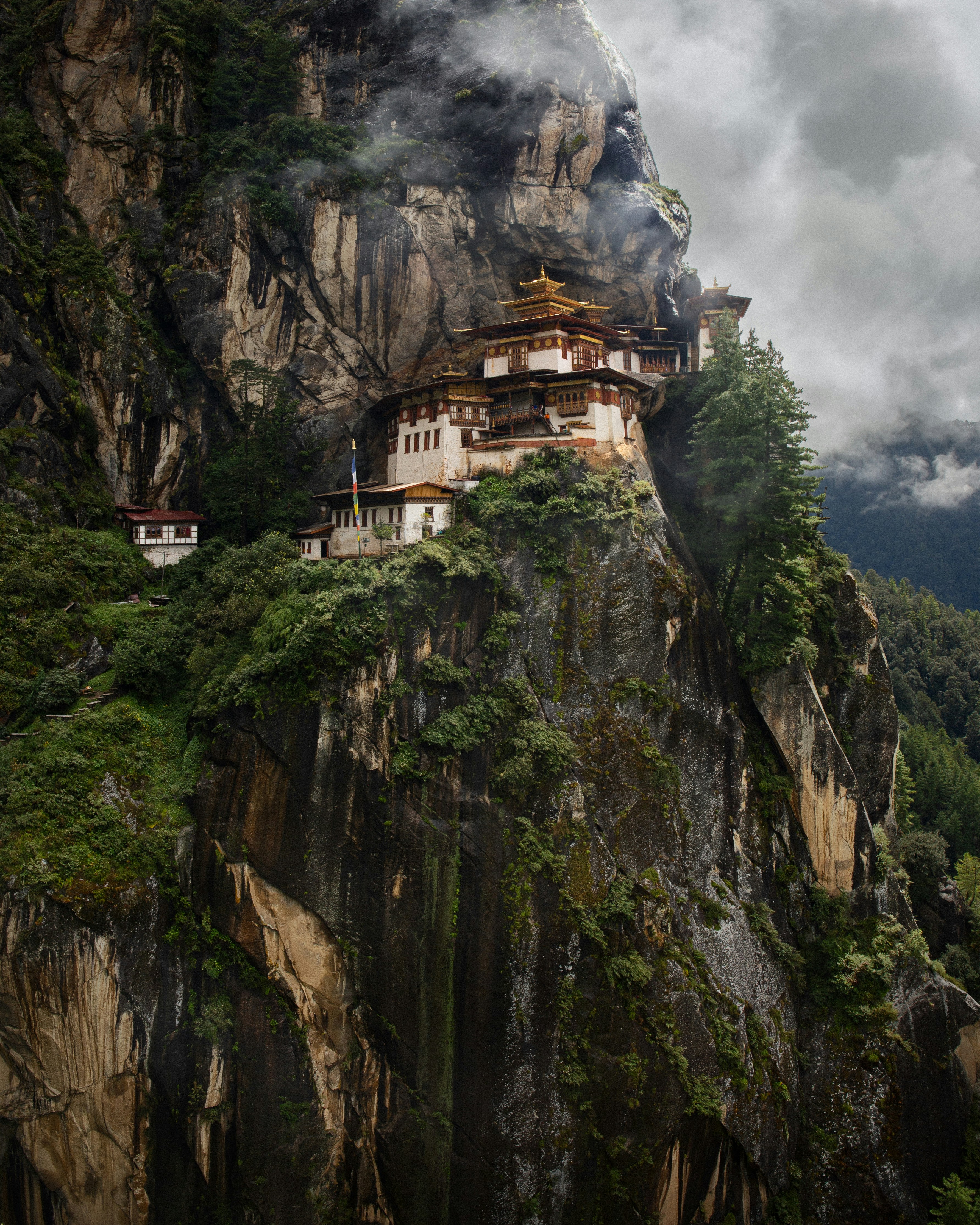
What is it?
In the early 1970s, a young Bhutanese king made a statement that would echo through economics for decades. When asked about his country's GDP, King Jigme Singye Wangchuck replied: "Gross National Happiness is more important than Gross National Product." It wasn't a throwaway line. It became the founding philosophy of how an entire nation would be governed.
Why was it developed?
Bhutan sits between two economic giants — India and China — and faced enormous pressure to "develop" along conventional lines: industrialise, grow GDP, integrate into global markets. King Wangchuck rejected this model. He argued that economic growth divorced from cultural values, environmental sustainability, and human wellbeing was not progress. GNH was developed as a holistic alternative framework that would guide every major policy decision in Bhutan.
How does it work?
GNH is measured across 9 domains, each with multiple indicators:
- Living standards: household income, assets, housing quality.
- Health: self-reported health, disability, mental health, use of health services.
- Education: literacy, schooling, knowledge, values.
- Governance: political participation, freedom, service delivery, government performance.
- Ecological diversity and resilience: wildlife damage, urban issues, environmental responsibility.
- Time use: work hours, sleep, time for socialising.
- Psychological wellbeing: life satisfaction, positive emotions, spirituality.
- Cultural resilience and promotion: language, artisan skills, cultural participation.
- Community vitality: social support, community relationships, safety, volunteerism.
- Every Bhutanese is surveyed and classified as "not yet happy", "narrowly happy", "extensively happy", or "deeply happy" across these domains.
What does GDP miss that this captures?
GDP is blind to the texture of daily life. It cannot tell you whether people feel safe in their communities, whether they have time for family, whether they feel spiritually grounded, or whether the forests they depend on are still standing.
- GDP grows when forests are logged — GNH falls if ecological diversity is damaged.
- GDP doesn't capture whether people have time for rest, family, or community participation.
- Cultural vitality — the preservation of language, craft, and tradition — has zero GDP value but high GNH value.
Real-world use
GNH is not just a concept in Bhutan — it's constitutional. The 2008 Constitution of Bhutan mandates that the state "shall strive to promote those conditions that will enable the pursuit of Gross National Happiness."
- All major legislation in Bhutan is screened through a GNH impact assessment before being passed.
- Bhutan is the only carbon-negative country in the world — its forests absorb more carbon than the country emits.
- Television and internet were only introduced in Bhutan in 1999, partly to protect cultural values.
- The GNH framework has influenced the UN's global discussions on measuring wellbeing beyond GDP.
Limitations
Critics raise important questions about GNH:
- The framework was developed by a monarchy — critics question whether it can be separated from authoritarian governance.
- Some argue it has been used to justify restrictions on media, migration, and minority rights.
- It is difficult to compare across countries because it is deeply embedded in Bhutanese Buddhist philosophy.
- The surveys are complex and expensive to administer regularly.
GNH is the most philosophically ambitious alternative to GDP. Whether or not you agree with every aspect of Bhutan's governance, the core idea — that a government's success should be measured by the happiness and flourishing of its people — is hard to argue with.
Related GDP alternatives
A growing alliance of governments that have decided to measure success by human and ecological wellbeing — not GDP growth.

How efficiently does a country convert natural resources into long, happy lives for its people?

Health, education, and standard of living — combined into one number that tells a richer story than GDP alone.